
Throughout human history, wars and conflicts have shaped nations and influenced the lives of millions of people. In recent years, tensions between powerful nations such as the United States and Iran have once again raised global concerns. Political disagreements, military threats, and international instability often cause fear and uncertainty about the future.
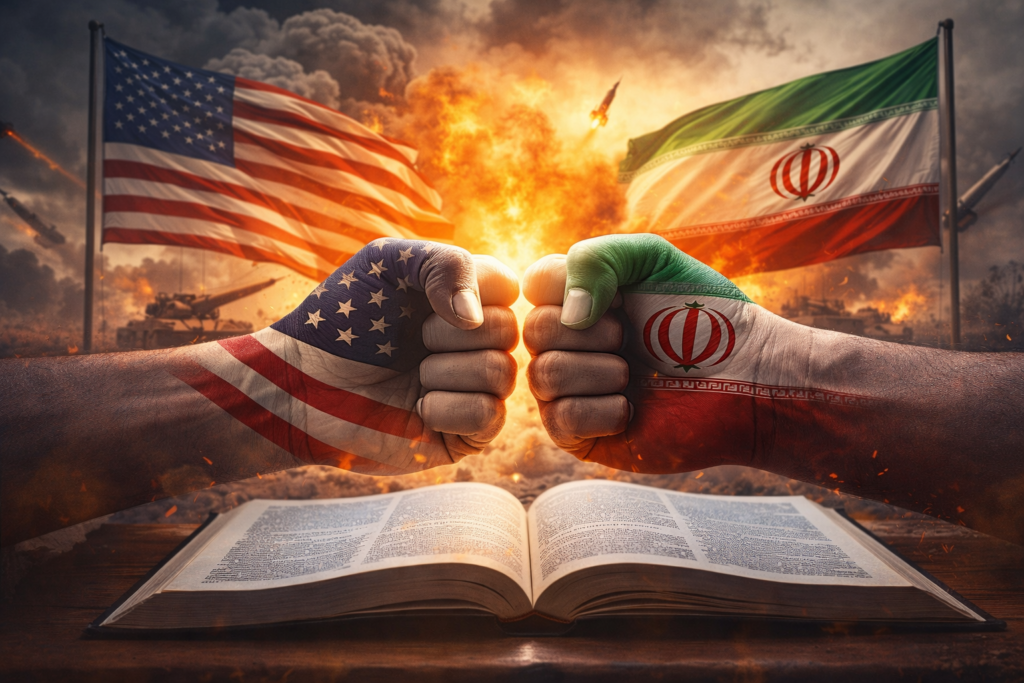
For many people, especially Christians, moments like these lead to deeper questions. Many begin to ask: what does the Bible say about war and conflicts between nations? Does Scripture offer guidance that helps believers understand what is happening in the world today?
The truth is that the Bible speaks extensively about wars, the nature of human conflict, and the spiritual reality behind many of the struggles that nations face. While modern countries like the United States or Iran are not mentioned directly in the Bible, the principles found in Scripture provide important insight into the events unfolding in our world.
More importantly, the Bible reminds believers that global conflicts should not only lead to fear, but also to reflection, repentance, and spiritual awareness.
Wars Are Not a New Reality
When we look at the history of the world, wars have always been present. From ancient empires to modern superpowers, nations have fought for power, resources, influence, and territory.
The Bible records many wars throughout its pages. In the Old Testament, the people of Israel often found themselves in conflict with surrounding nations. Empires such as Babylon, Assyria, and Persia played major roles in biblical history.
However, Scripture never presents war as something desirable. Instead, wars are often portrayed as consequences of human sin, pride, and rebellion against God.
In Epistle of James 4:1, the Bible explains the root cause of many conflicts:
“What causes fights and quarrels among you? Don’t they come from your desires that battle within you?”
This verse reveals a deep spiritual truth. Many conflicts begin in the human heart. Pride, greed, ambition, and the desire for power often lead individuals and nations into confrontation.
When we observe tensions between modern nations, we are witnessing a pattern that has existed throughout human history.
Jesus Warned That Wars Would Continue
One of the most important teachings about wars comes from Jesus Himself.
In Gospel of Matthew 24:6–7, Jesus said:
“You will hear of wars and rumors of wars, but see to it that you are not alarmed. Such things must happen, but the end is still to come. Nation will rise against nation, and kingdom against kingdom.”
These words were spoken during a conversation about the last days and the events that would take place before His return.
Jesus made it clear that wars and international conflicts would be part of the world before the end of the age. This does not necessarily mean that every war signals the immediate end of the world, but it does remind believers that human history will continue to experience turmoil.
For Christians, this teaching should not produce panic but awareness. Jesus warned His followers so that they would remain spiritually alert.
The Bible Calls Believers to Watch and Be Ready
One of the central messages of the New Testament is the call to spiritual vigilance.
In Gospel of Matthew 24:42, Jesus said:
“Therefore keep watch, because you do not know on what day your Lord will come.”
This message reminds believers that the return of Christ will come unexpectedly. Throughout history, many events have reminded people of the fragility of human civilization.
Wars, natural disasters, economic crises, and global instability often reveal how temporary the systems of this world truly are.
For Christians, these events should encourage a renewed focus on faith, repentance, and spiritual readiness.
God Remains Sovereign Over Nations
Even when the world appears chaotic, the Bible repeatedly reminds believers that God remains sovereign over history.
Nations may rise and fall, leaders may change, and conflicts may erupt, but none of these events occur outside God’s knowledge.
In Book of Daniel 2:21, the Bible declares:
“He changes times and seasons; He removes kings and raises up kings.”
This passage reveals that political power ultimately belongs to God. Human governments operate within the boundaries of God’s greater plan.
For believers, this truth offers comfort. Even when the news reports seem frightening, God is still guiding history toward His ultimate purpose.
The Christian Response to War
When people hear about conflicts between nations, it is easy to react with fear, anger, or despair. However, the Bible calls believers to respond differently.
Christians are called to pray for peace and for the leaders of nations.
In First Epistle to Timothy 2:1–2, Scripture teaches that believers should pray for kings and all authorities so that people may live peaceful lives.
Prayer remains one of the most powerful responses Christians have during times of global tension.
Rather than spreading fear or hatred, believers are encouraged to place their trust in God and seek wisdom.
A World That Desperately Needs Peace
When we observe the conflicts of our time, it becomes clear that the world desperately needs peace.
Political agreements, military alliances, and diplomatic negotiations can sometimes reduce tensions, but they cannot completely remove the brokenness that exists in the human heart.
The Bible teaches that true and lasting peace will only come through God’s kingdom.
In Book of Isaiah 2:4, the prophet describes a future time when God will bring peace to the nations:
“Nation shall not lift up sword against nation, neither shall they learn war anymore.”
This powerful vision reflects God’s ultimate plan for the world.
The Hope of Christ’s Return
For Christians, the message of the Bible is not only about warning but also about hope.
The New Testament repeatedly reminds believers that Jesus will return.
When Christ returns, He will establish justice, righteousness, and lasting peace.
The conflicts and struggles of this world will not continue forever.
Instead, God’s kingdom will bring restoration to creation.
This promise encourages believers to remain faithful even when the world seems uncertain.
Conclusion
Wars and global conflicts continue to shape the world we live in today. Tensions between nations such as the United States and Iran remind us that human history is still marked by political struggles and instability.
However, the Bible provides a perspective that goes beyond headlines and political debates.
Scripture teaches that wars are part of a fallen world, but it also reminds believers that God remains sovereign over nations and history.
Most importantly, the Bible calls people to be spiritually prepared.
The message of Jesus is clear: remain watchful, remain faithful, and remember that His return will come at the appointed time.
For those who place their trust in God, the future is not defined by fear but by hope.